
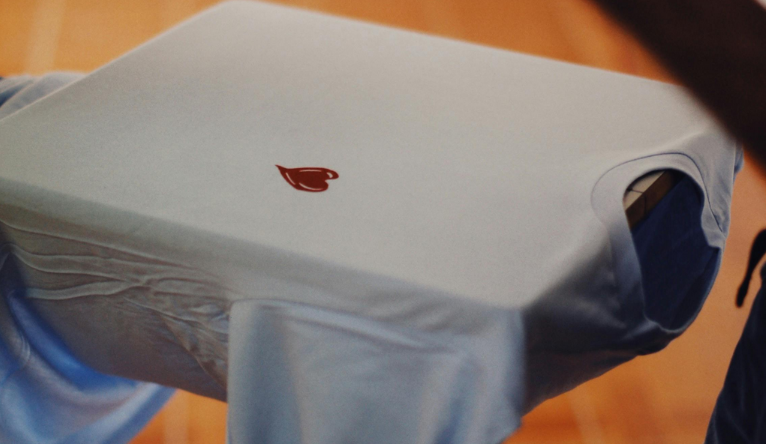
Advantages of Film-Based Printing Over Traditional Methods
Printing technology has undergone significant transformation, with film-based printing emerging as a powerful alternative to traditional techniques. This method allows designs to be first printed onto a special film and then transferred onto various materials, delivering precision and vibrancy that older methods often struggle to match. Film-based printing offers versatility across fabrics, colors, and intricate designs, appealing to businesses and individual creators alike. Its efficiency, durability, and ability to accommodate small-batch orders make it increasingly popular in modern production as it allows users to get started immediately. Understanding the advantages of this technology highlights why it is gradually replacing conventional printing approaches in many industries.
Superior Print Quality and Detail
One of the most notable advantages of film-based printing is superior print quality and intricate detail. Traditional methods, such as screen printing, can struggle with fine lines, gradients, and complex graphics. In contrast, film-based techniques capture precise details and maintain color accuracy, producing professional-grade results even on small-scale prints. This makes it ideal for designs that require clarity, sharpness, and consistency. Businesses and creators benefit from the ability to reproduce intricate logos, patterns, or images with minimal distortion. The method’s capability to handle high-resolution graphics ensures that every print looks polished and vibrant, increasing the appeal of the final product.
Versatility Across Materials

Film-based printing offers versatility across a wide range of materials. Unlike traditional methods that may be limited to certain fabrics or surfaces, this technology can be applied to cotton, polyester, blends, and even hard surfaces in some …
Read More →