
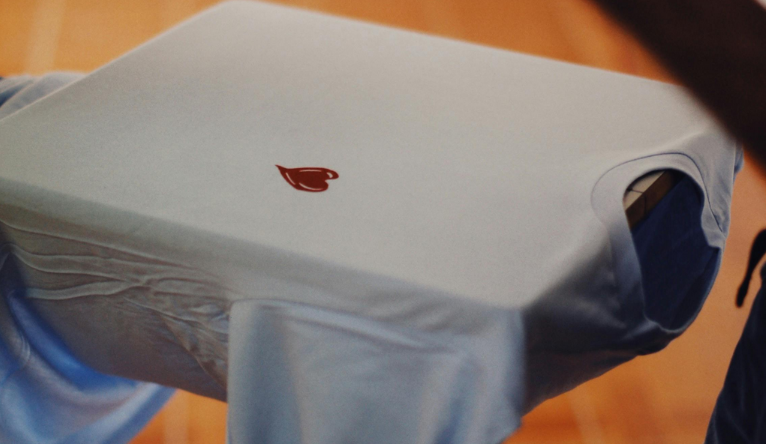
Printing technology has undergone significant transformation, with film-based printing emerging as a powerful alternative to traditional techniques. This method allows designs to be first printed onto a special film and then transferred onto various materials, delivering precision and vibrancy that older methods often struggle to match. Film-based printing offers versatility across fabrics, colors, and intricate designs, appealing to businesses and individual creators alike. Its efficiency, durability, and ability to accommodate small-batch orders make it increasingly popular in modern production as it allows users to get started immediately. Understanding the advantages of this technology highlights why it is gradually replacing conventional printing approaches in many industries.
Superior Print Quality and Detail
One of the most notable advantages of film-based printing is superior print quality and intricate detail. Traditional methods, such as screen printing, can struggle with fine lines, gradients, and complex graphics. In contrast, film-based techniques capture precise details and maintain color accuracy, producing professional-grade results even on small-scale prints. This makes it ideal for designs that require clarity, sharpness, and consistency. Businesses and creators benefit from the ability to reproduce intricate logos, patterns, or images with minimal distortion. The method’s capability to handle high-resolution graphics ensures that every print looks polished and vibrant, increasing the appeal of the final product.
Versatility Across Materials

Film-based printing offers versatility across a wide range of materials. Unlike traditional methods that may be limited to certain fabrics or surfaces, this technology can be applied to cotton, polyester, blends, and even hard surfaces in some cases. This flexibility allows creators to experiment with different products, from apparel and accessories to promotional items and home décor. The adaptability of film-based printing enables businesses to cater to diverse markets without needing multiple printing setups. As a result, it becomes feasible to produce both standard and niche items efficiently, reducing the need for multiple equipment investments while broadening product offerings.
Durability and Longevity
Durability and longevity are key benefits of film-based printing. Transfers created using this method bond effectively with fabrics and surfaces, resulting in prints that resist fading, cracking, or peeling over time. Traditional printing methods sometimes struggle to maintain color integrity and adhesion, especially after repeated washing or heavy use. Film-based prints retain their vibrancy and structure, offering products that last longer and maintain a professional appearance. This reliability appeals to both businesses and consumers, ensuring that printed items remain attractive and functional for extended periods, ultimately enhancing the perceived value of the product.
Cost-Effectiveness for Small-Batch Production
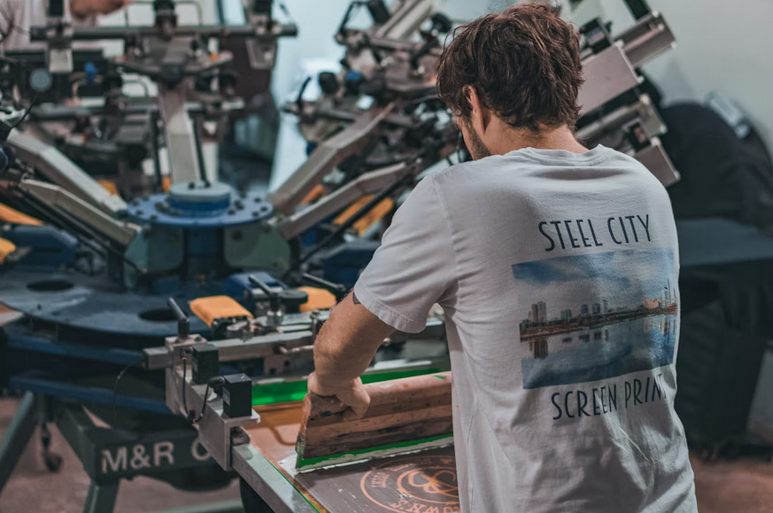
Another advantage is cost-effectiveness for small-batch production. Traditional screen printing often involves significant setup costs, making short runs expensive and impractical. Film-based printing minimizes setup requirements, allowing for low-volume orders without compromising quality. This is particularly valuable for startups, small businesses, or custom orders where flexibility is essential. By reducing material waste and labor-intensive preparation, film-based methods offer economic efficiency that traditional approaches cannot match. Businesses can produce limited quantities, test new designs, or fulfill special orders without committing to large-scale production, making it a smart solution for modern, agile operations.
Environmentally Friendly Potential
Finally, film-based printing presents opportunities for more environmentally conscious production. By reducing the need for excessive water, inks, and chemicals often required in traditional methods, it minimizes waste and resource consumption. Many modern film-based printing systems are compatible with eco-friendly inks and materials, further reducing environmental impact. This advantage aligns with growing consumer demand for sustainable products and allows businesses to implement responsible production practices. By adopting these techniques, companies can reduce their ecological footprint while delivering high-quality, durable prints, satisfying both business objectives and environmental considerations.
Film-based printing provides a range of advantages that make it a superior choice over traditional methods for many applications. From delivering exceptional print quality and intricate details to offering material versatility, cost-effectiveness for small batches, durability, and environmentally conscious production, this technology addresses limitations of conventional printing. By incorporating film-based techniques, businesses and creators can enhance product offerings, reduce production challenges, and maintain high standards of quality. Its combination of efficiency, flexibility, and long-lasting results positions film-based printing as an essential tool for modern printing needs, helping meet the demands of diverse industries and the growing market for customized, high-quality printed items.